
Rhode Island Coastal Homes Require Salt-Resistant Pool Tile and Coping Materials for Long-Term Beauty

There’s something different about coastal homes in Rhode Island.
The air feels lighter. The landscaping tends to blend into the shoreline. And when a backyard pool is designed the right way, it almost feels like an extension of the ocean itself.
But here’s the part many homeowners don’t realize until a few years later: That same coastal environment that makes these properties so beautiful can also be incredibly hard on pool materials.
We’ve seen it happen across Rhode Island coastal communities more times than we can count. A pool starts out looking amazing. The tile is crisp. The coping is clean. Everything feels brand new. Then slowly, things begin to change.
The stone starts fading faster than expected. Grout lines weaken. Certain tiles begin loosening. Coping develops wear in areas that constantly deal with moisture and salt exposure.
And homeowners are left wondering: “Was this just normal aging… or were the wrong materials used from the beginning?”
At Clearwater Solutions, we work with homeowners throughout Rhode Island, Massachusetts, and nearby coastal areas who need pool renovations built specifically for Northeast coastal conditions.
Because when it comes to salt-resistant pool tile and coping, material selection matters a lot more than people think. Let’s talk about why.
Why Coastal Pools Face Different Challenges Than Inland Pools

A pool near the ocean deals with a completely different environment compared to one farther inland. And it’s not just the saltwater inside the pool system, although that can play a role too.
It’s the constant exposure to:
Salt air
Humidity
Wind-driven moisture
Seasonal temperature swings
Freeze-thaw cycles during Northeast winters
All of that exposure slowly wears down lower-quality materials over time. And unfortunately, coastal damage usually happens gradually.
At first, things seem fine.
Then suddenly:
Tile starts loosening
Coping begins to discolor
Stone surfaces show premature wear
Grout deteriorates faster than expected
In our experience, one of the biggest mistakes homeowners make is assuming all pool materials perform the same near the coast. They don’t.
Salt Air Is Tougher on Pool Materials Than Most People Realize
A lot of people focus only on saltwater systems, but coastal air itself can be surprisingly aggressive. Salt particles travel through the air constantly near the shoreline. Over time, those particles settle into porous surfaces and joints.
That repeated exposure can contribute to:
Surface erosion
Staining
Premature breakdown of sealants
Weakening of grout and adhesives
This is especially noticeable on pools where cheaper materials or improper installation methods were used initially.
That’s why choosing salt-resistant pool materials is one of the smartest decisions coastal homeowners can make during a renovation.
The Best Pool Tile for Coastal Homes
When choosing the best pool tile for coastal homes, durability matters just as much as appearance.
You want materials that:
Resist moisture absorption
Hold up against salt exposure
Maintain color and finish over time
At Clearwater Solutions, we often recommend porcelain or high-quality glass tile for coastal environments.
Why Porcelain Tile Performs Well
Porcelain tile tends to:
Absorb less moisture
Resist staining better
Hold up well through freeze-thaw cycles
That makes it a strong long-term option for Rhode Island coastal pools.
Why Glass Tile Works Beautifully Near the Ocean
Glass tile adds something unique visually. It reflects light in a way that pairs naturally with waterfront properties and coastal landscapes.
The result feels:
Bright
Clean
Slightly reflective like water itself
And because high-quality glass tile is non-porous, it also handles moisture and salt exposure extremely well.
Coastal Pool Coping Materials Need to Handle More Than Just Water
Coping takes some of the hardest abuse on any pool, especially near the coast.
It’s exposed to:
Pool water
Rainwater
Salt air
UV exposure
Foot traffic
And if the wrong stone or installation method is used, deterioration happens much faster. That’s why selecting proper coastal pool coping materials is such an important part of any renovation.
Natural Stone Options That Hold Up Well in Coastal Environments
Some natural stones perform much better than others near the ocean.
A few materials we commonly recommend include:
Dense Bluestone: Bluestone holds up well because it’s durable and less porous than softer stones. It also fits beautifully with many New England coastal home styles.
Travertine (Properly Sealed): Travertine offers a lighter, upscale look that works especially well around seaside properties. But professional sealing is essential in coastal environments.
High-Quality Pre-Cast Concrete: For homeowners wanting a cleaner, modern look, properly installed and sealed pre-cast coping can also perform very well.
The key isn’t just the material itself. It’s the installation quality and long-term protection.
Why Professional Sealing Matters Near the Ocean
This is one of those details homeowners often overlook until problems appear later.
Even durable stone can absorb moisture if it isn’t sealed correctly. And once salt and moisture work their way into the material, damage tends to accelerate.
Professional sealing helps:
Reduce moisture absorption
Protect against salt exposure
Preserve the appearance of the stone
Extend the lifespan of the coping
In our experience, one of the most common things we see on coastal properties is beautiful stone that failed early simply because it wasn’t properly protected.
Rhode Island Coastal Pool Design Is About More Than Durability
Of course, durability matters. But honestly? Coastal pools should also feel exciting to look at.
One of the best parts of renovating a seaside pool is creating something that complements the natural surroundings instead of competing with them.
That usually means:
Lighter finishes
Softer color palettes
Natural stone textures
Reflective tile accents
When everything comes together correctly, the pool starts feeling connected to the landscape itself.
Why Light Mini Pebble Finishes Work So Well for Coastal Pools
At Clearwater Solutions, we work with mini pebble finishes rather than traditional standard plaster finishes. And for coastal homes, lighter mini pebble finishes work especially well.
Why? Because they:
Reflect natural sunlight beautifully
Pair naturally with ocean-inspired color palettes
Create cleaner-looking water tones
Hold up well over time
A lot of Rhode Island homeowners want their backyard to feel calm and relaxed—not overly flashy. And mini pebble finishes help achieve that balance.
The Difference Between Inland Renovation Choices and Coastal Renovation Choices
Materials that perform perfectly fine inland may not last nearly as long near the ocean. That’s why coastal renovations need a slightly different mindset.
You’re not just designing for:
Appearance
Comfort
Basic durability
You’re designing for constant environmental exposure.
And that means thinking carefully about:
Water absorption
Sealing
Salt resistance
Freeze-thaw durability
That’s where working with specialists who understand coastal conditions becomes valuable.
Older Coastal Pools Usually Need More Than Cosmetic Updates
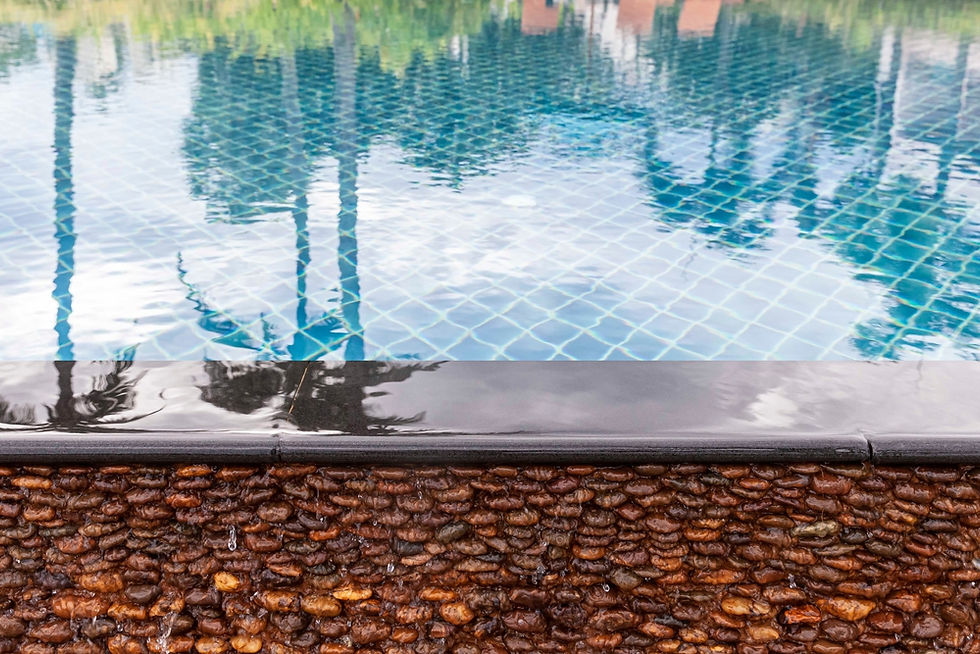
A lot of coastal pools built years ago were constructed with materials that simply weren’t intended for long-term salt exposure.
Over time, we often see:
Loose waterline tile
Deteriorated grout
Worn coping edges
Surface staining and fading
And while some homeowners initially think they only need minor repairs, a full renovation often provides a much better long-term solution. Especially when updated materials are used from the start.
Why Coastal Renovations Require Precision Installation
Coastal environments are less forgiving. Small installation mistakes tend to show up faster because moisture exposure is constant.
That’s why details matter:
Proper bonding materials
Correct slope and drainage
Clean coping transitions
Careful sealing procedures
At Clearwater Solutions, we focus heavily on these details because long-term durability starts underneath the visible finish.
What Coastal Homeowners Usually Want Most
Interestingly, most Rhode Island coastal homeowners aren’t asking for anything over-the-top.
They usually want:
A pool that feels timeless
Materials that age well
Clean, elegant finishes
Low long-term stress
And honestly, that approach tends to produce the best results anyway. Simply done well almost always outlasts trendy done quickly.
Let’s Build a Pool Renovation That Can Handle Coastal Living
Living near the coast is one of the best parts of owning property in Rhode Island. Your pool should complement that lifestyle, not become another maintenance headache.
At Clearwater Solutions, we understand how coastal conditions affect pools because we work in these environments every day.
We focus on:
Durable, salt-resistant materials
High-quality installation methods
Clear communication throughout the process
Renovations designed to last through Northeast weather and coastal exposure alike
So, if your pool tile or coping is starting to show signs of wear, or if you’re planning a renovation and want to make sure it’s done right from the start, we’re here to help!
Let’s create a pool that looks incredible near the coast and stays that way for years to come.


Comments